
A brand can buy a moment of attention. Building something people return to is a different business.
That is why I believe the rise of brand-backed studios deserves more than a marketing headline. The meaningful question is what a company is building with its creative budget: a campaign that ends, a licensed association that expires, or an interest in a story that can keep working.
Paying creators is essential. The opportunity is to structure that investment so creators are rewarded and the brand can participate in lasting value. A strong film, series or repeatable format may generate attention, licensing opportunities and future installments. None of those outcomes arrives automatically with the word “studio.”
Four major brands. Four different studio strategies.
These examples are not a ranking by studio revenue. They show how prominent consumer brands have entered production with different assets, partners and ambitions.
Red Bull: build a world worth watching
Red Bull Studios describes its role as developing, funding, producing and distributing documentary films and series. Its catalog includes The Dawn Wall and The Real Mo Farah. That is a production business with an identifiable creative territory, not simply a collection of product spots. Source: Red Bull Studios.
My reading: the strategic fit is strong because extraordinary human performance makes sense alongside Red Bull’s identity. The story can satisfy someone who has no intention of buying a drink. That independent entertainment value is the point. A brand earns a place in the audience’s life by financing something worth their time.
Mattel: develop the IP already in the building
Mattel announced its theatrical film division in September 2018. In its March 2023 investor presentation, the company described working with production partners from development through execution, rather than simply licensing its brands. It identified Barbie, co-produced with Warner Bros. Pictures, LuckyChap and David Heyman, as an example of that approach. Source: Mattel’s division announcement; Mattel’s 2023 investor remarks.
The lesson is especially relevant to companies with recognizable characters, archives or worlds. Existing recognition can help open the door, but it does not write the screenplay. Mattel’s model pairs underlying brand IP with specialist filmmaking partners. Owning the original property and owning every right in the resulting movie are different things.
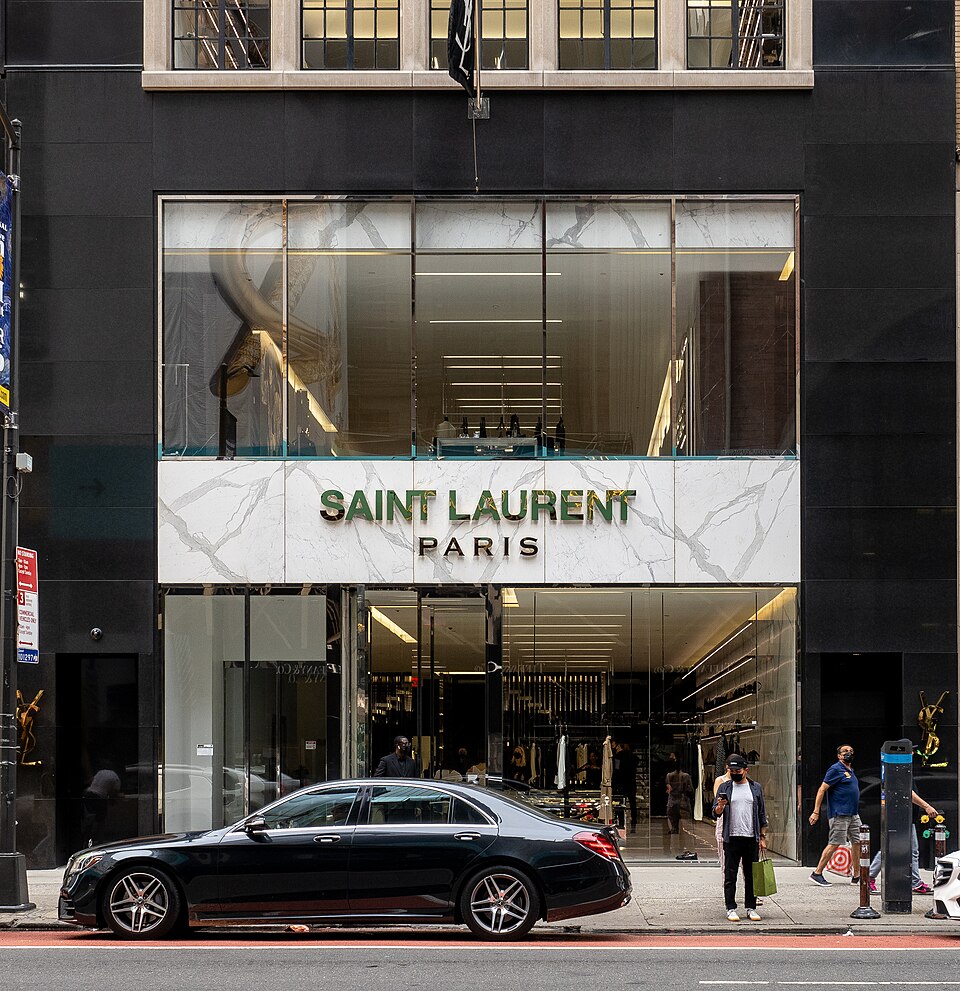
Saint Laurent: make taste part of the production strategy
Saint Laurent introduced its film-production subsidiary in 2023, with Strange Way of Life by Pedro Almodóvar among its early projects. The house’s production catalog also lists films by David Cronenberg, Paolo Sorrentino and Jim Jarmusch. Source: Saint Laurent’s launch-era announcement; production catalog.
For a luxury house, the strategic argument can extend beyond immediate product conversion. Film can express a point of view and deepen relationships with creative talent. But prestige is not a financial statement. A distinguished filmmaker’s name does not, by itself, prove that a production is profitable or that the brand owns all of it.
Starbucks: a studio announcement is the beginning
In June 2024, Starbucks announced Starbucks Studios and a collaboration with Sugar23 to produce original entertainment centered on human connection. Starbucks reiterated that purpose in its coverage of the 2024 Tribeca Festival. Source: Starbucks.
The creative logic is understandable: a company associated with meeting places has a potential territory in stories about people coming together. The evidence cited here establishes the announced direction. It does not establish a profitable library, a particular ownership split or a record of repeat audience demand. Those are the things a studio must go on to demonstrate.
Why the ownership question matters
I would ask a brand leader a simple question before approving the next major creative investment: What remains ours when the campaign is over?
A sponsorship may buy association and exposure. A commission may secure defined usage rights. A production investment may bring ownership or a share of revenue. Those arrangements can all be valuable, but they solve different problems. Paying the bill should never be mistaken for proof that the brand controls the property.
For a studio strategy, the business team needs a clear picture of the underlying material, the finished production, future installments, distribution territories, creative approvals and how revenue is shared. The public announcements above do not disclose every project’s terms. Their ownership positions should not be guessed.
The goal is not to take everything from the people making the work. It is to create a durable partnership: fair economics for creators, enough freedom to make something good, and clearly defined value for the company financing it.
Why it can work—and what makes it fail
Entertainment gives a brand a chance to be chosen. Someone who voluntarily watches a second episode is demonstrating a different kind of interest from someone who briefly sees an advertisement. A useful library can create more occasions for discovery, provided the company has the rights and a credible route to viewers.
That is the potential advantage, not a guaranteed return. Studios fail when everything must flatter the sponsor, when every scene becomes a product demonstration, or when expensive production begins before anyone knows how the work will reach an audience. A beautiful film without distribution is still a distribution problem.
There is also a difference between an internal creative studio that makes advertising efficiently and an entertainment studio that develops and exploits IP. A brand may need either, both, or neither. The operating plan should follow the business objective.
Build the business before announcing the studio
My starting framework would be deliberately practical:
- Choose a creative territory. Identify subjects the brand can support credibly, with room for stories beyond its products.
- Hire people who make entertainment. Give producers and creators a clear mandate, real budgets and decisions that do not require endless approvals.
- Define the asset. Know what the company owns, licenses or participates in, and what stays with its partners.
- Plan distribution early. Build for an actual audience and release path, not just a launch presentation.
- Measure three things separately. Audience behavior, brand impact and production economics need their own evidence. Views alone do not establish profit or brand lift.
- Earn the next project. Start with a disciplined slate or pilot and expand when the work and its results justify it.
The opportunity is bigger than branded content
I believe more brands should evaluate becoming creative partners and IP participants. That does not mean every marketing department needs a movie studio. It means a major creative budget deserves a conversation about lasting value alongside immediate reach.
The best version of this strategy funds stories people would choose even without the sponsor’s logo. It respects the talent, understands the rights and treats distribution as part of the work.
Do not build a studio just to say the brand has one. Build it because there is a world worth creating—and a business capable of sustaining it.
Opinion and analysis by Nathan Allen Pirtle, founder of Slate Intelligence. Based on the linked public company materials; historical announcements are identified by date. No private contracts or studio profit figures were reviewed.